
Projects
Darkwoods Forest Carbon Project
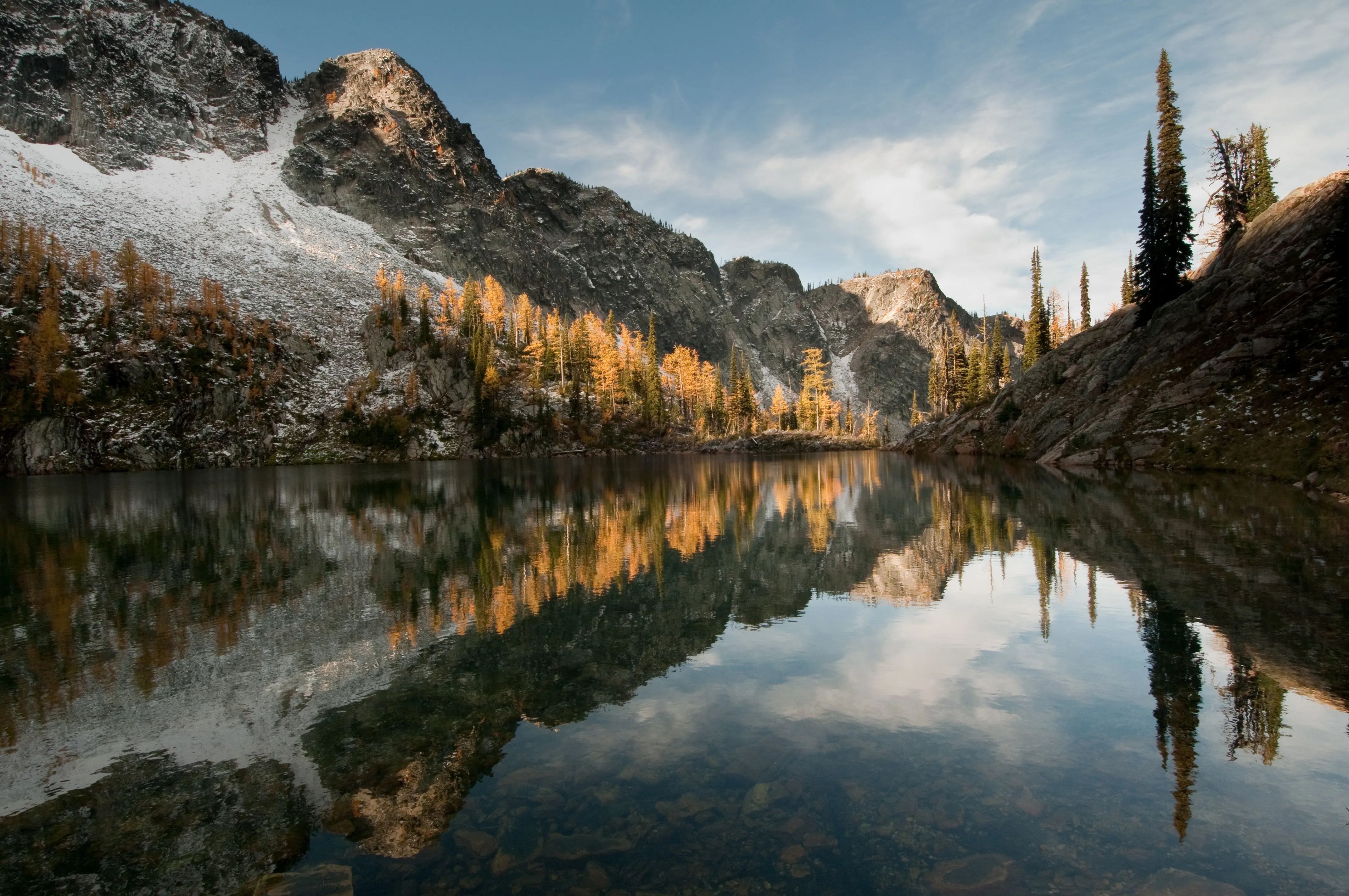
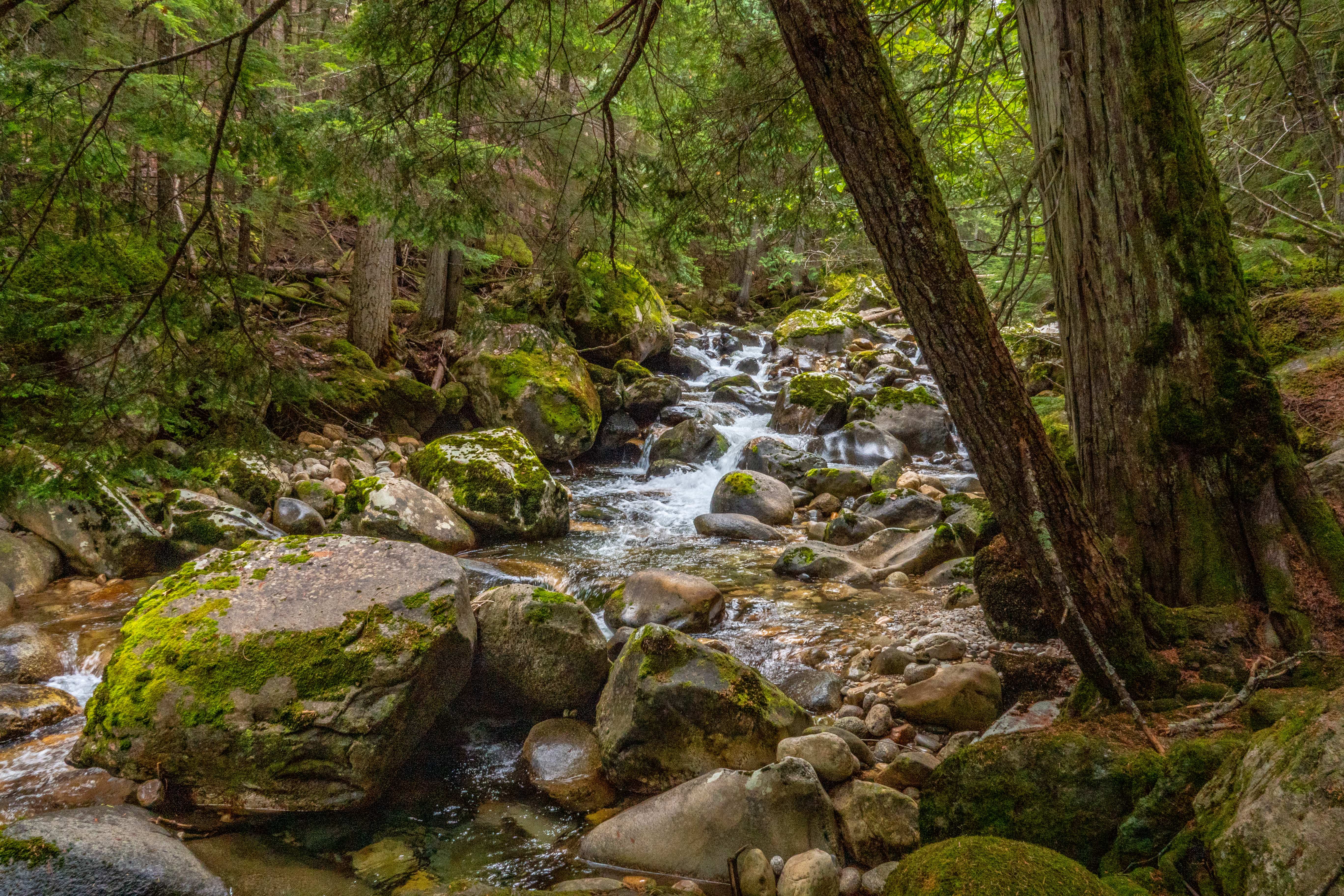
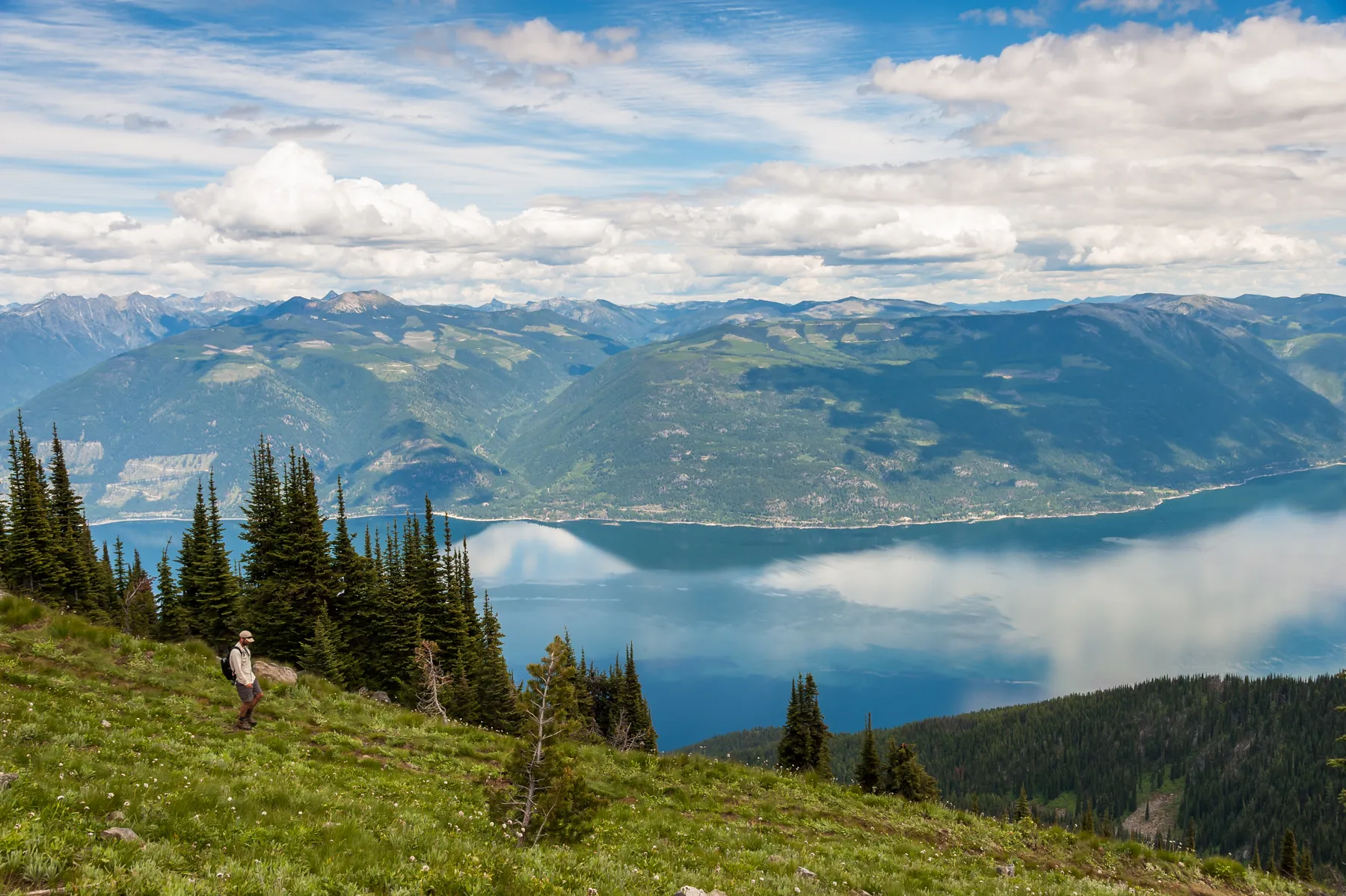
Deep in the Selkirk Mountains of British Columbia, a wilderness area of remarkable beauty has been given a second chance. Spanning 103,000 hectares of rugged mountain terrain, the Darkwoods Conservation Area is a landscape unlike any other in Canada. Lush old-growth forests climb toward alpine tundra. More than 50 alpine lakes feed rivers and streams that wind through deep valleys before emptying into the iconic waters of Kootenay Lake. The internationally renowned Creston Valley wetlands anchor the southern edge of the property. And within this landscape lives one of BC's most closely monitored grizzly bear subpopulations, whose survival depends on this land.
For decades, this land was owned by a commercial forestry company.
Its fate could have looked very different.
How Carbon Finance Helped
In 2008, the Nature Conservancy of Canada (NCC) acquired the Darkwoods property with a clear goal: protect it, permanently, for ecological conservation. Carbon finance was central to making that happen, both for the original acquisition and for the ongoing costs of managing more than a hundred thousand hectares of wilderness over a century-long timeframe.
The project operates as an Improved Forest Management (IFM) carbon initiative. By transitioning the land away from its commercial logging baseline and toward long-term conservation management, the forest's carbon stocks grow steadily over time. Every year, the forests absorb enough carbon to offset the annual emissions of more than 6,700 British Columbians. The total carbon stored across the project area currently exceeds two million tonnes, an amount that, if released, would equal the annual emissions of nearly half a million people.
What the Project Protects
Wildlife and Connectivity
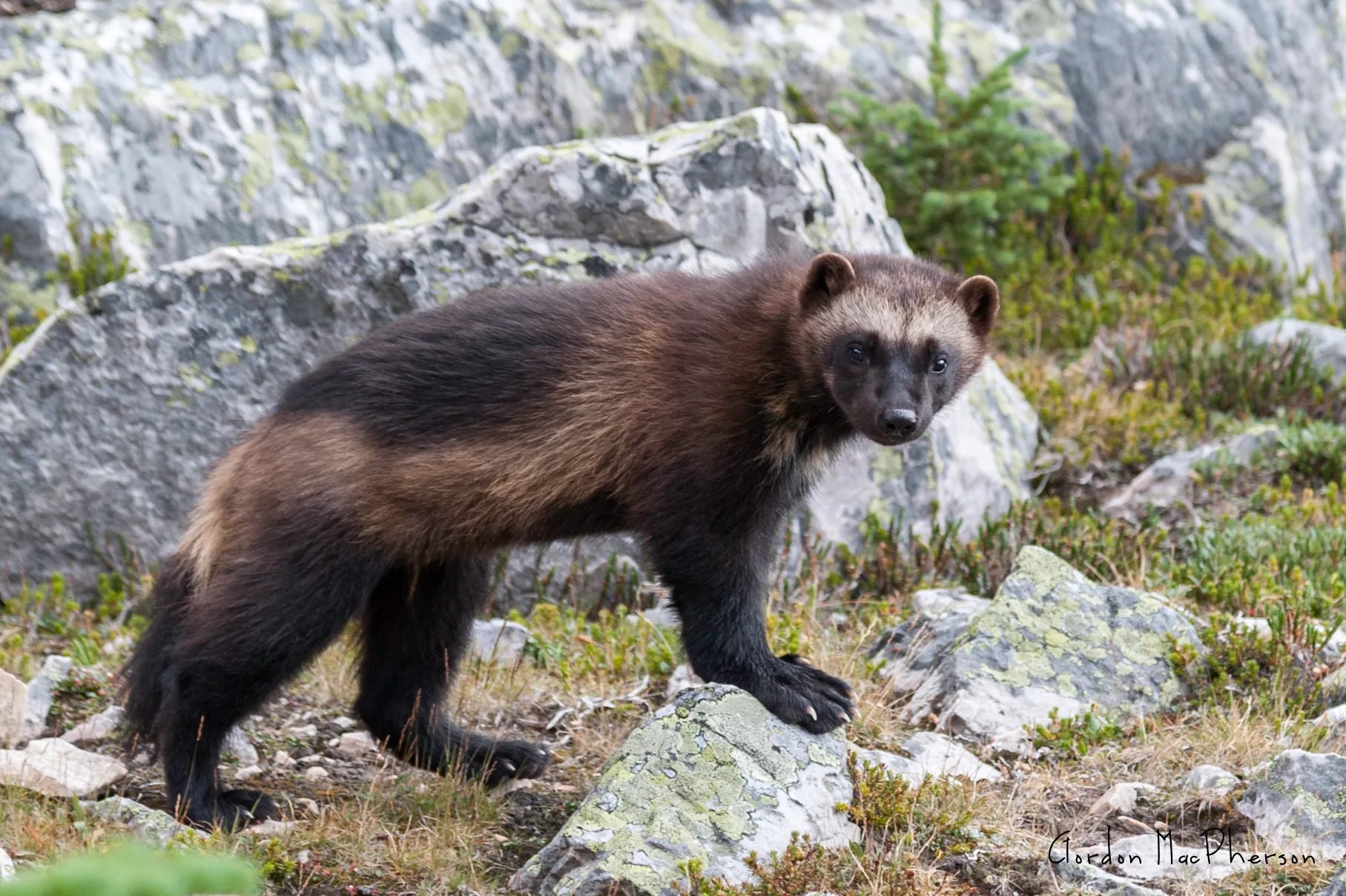
The project area connects a network of existing parks and wildlife management areas, forming a contiguous wilderness corridor of 103,000 hectares. For large, wide-ranging species like the Grizzly Bear, that connectivity is not just beneficial. It is essential. The project area contributes approximately 15% of habitat for the local Grizzly Bear subpopulation and provides the connective link between protected lands to the north and south. If these bears can thrive here, it is a strong signal that the broader ecosystem is functioning as it should.
Forest Biodiversity
As part of BC's interior wet belt, the project supports some of the highest tree diversity found anywhere in the province. Western Red Cedar, Western Hemlock, Western Larch, Douglas Fir, Engelmann Spruce, Trembling Aspen, and Paper Birch are just a few of the species found here. The area also contains some of the last remaining stands of interior temperate rainforest, one of the rarest ecosystems on the planet, which draws most of its moisture from snowfall rather than rain.
Freshwater
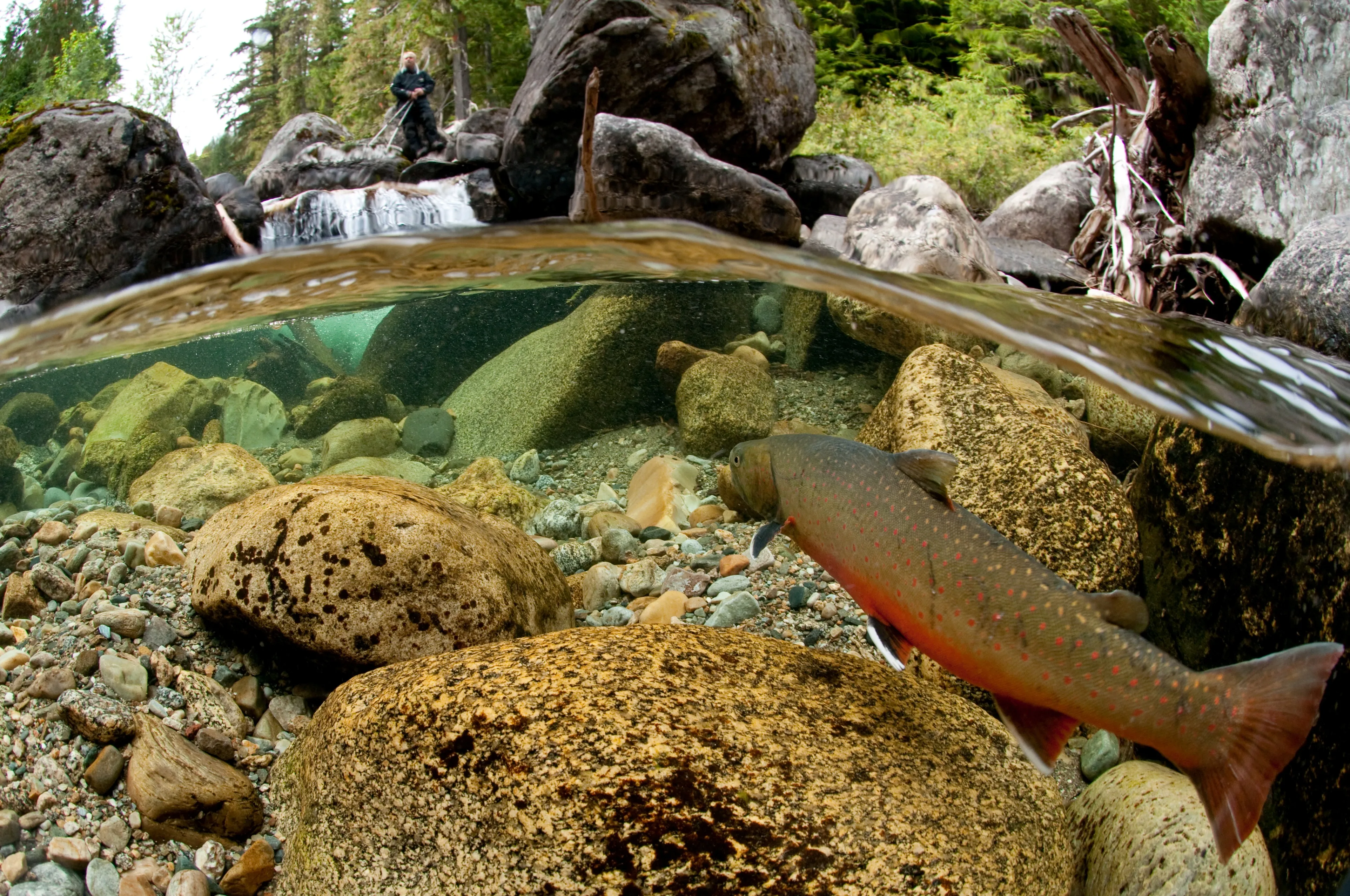
Water flows throughout this landscape in every direction. Streams and rivers fed by alpine lakes carve through deep valleys. The waters of Kootenay Lake border the property to the east. All of it provides critical habitat for fish, birds, amphibians, and insects, including the endangered Bull Trout. Protecting this water is a core part of how the project is managed.
Climate Resilience
A protected landscape of this scale and topographical diversity gives wildlife something that is increasingly rare: room to adapt. As temperatures shift, species can move to different elevations or areas of the property and continue to thrive. The forest itself serves as a substantial and lasting carbon sink, drawing down atmospheric carbon year after year.
Project Details